We live in a culture that is obsessed with “The Win.” We see the sleek product launches, the soaring stock prices, and the greatest marketing campaigns that make every release feel like an inevitable victory. But if you peel back the curtain of tech history, you’ll find a graveyard. And honestly? It’s the most interesting place in the world.
I’ve spent a lot of time thinking about why we’re so afraid of the word “failure.” In business, a failure is often just an experiment that gave us an answer we didn’t want to hear. But for the giants (the Googles, the Apples, the Sonys of the world) a failure is rarely a dead end. It’s a pivot point. It’s the moment they realized, “Okay, the hardware was a disaster, but the software was genius,” or “We had the right idea, but we were five years too early.”
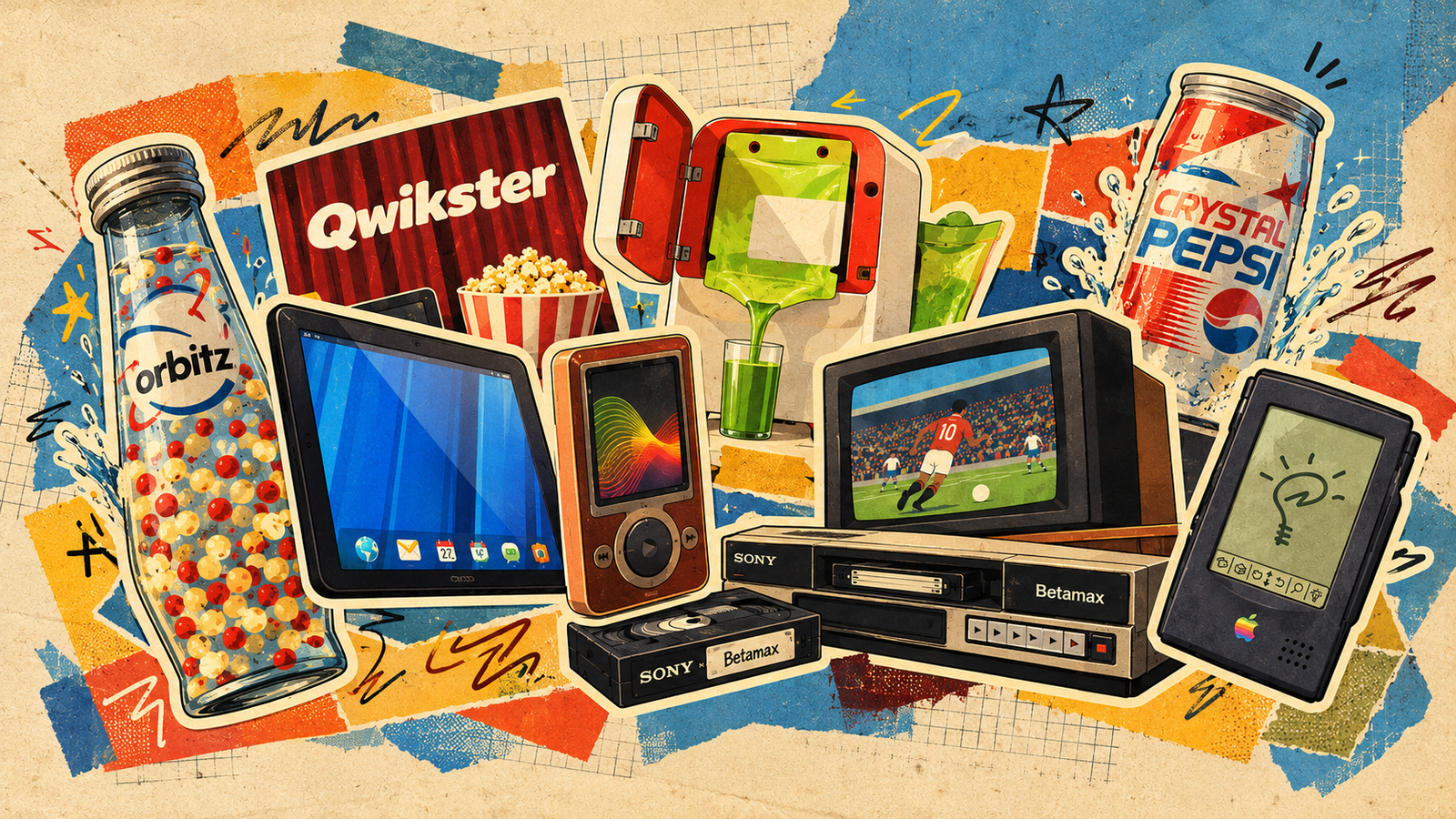
Today, we’re going to look at 10 epic failures. We’re going to deconstruct why they crashed, what they taught the suits in the boardrooms, and most importantly, the proof of how those failures are living inside the tech you’re using right now.
Ok, let’s start with something very old school.
1. Sony Betamax
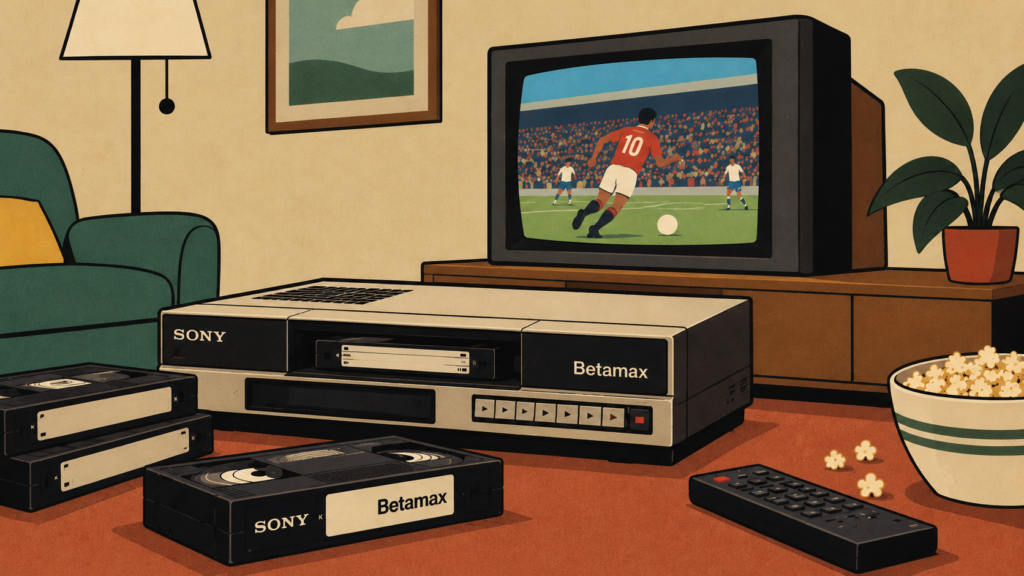
In the late 1970s, if you wanted the highest quality video, you bought a Sony Betamax. It was objectively better than its rival, VHS. The picture was sharper, the colors were truer, and the machine was built like a tank. Yet, by the late 80s, Betamax was a punchline.
The Specific Failure: Sony focused on “Product Perfection” while their rival, JVC (the creators of VHS), focused on “User Utility.” A Betamax tape could only record for 60 minutes.
A VHS tape could record for two hours, long enough for a football game or a movie. Sony also kept a tight grip on licensing, while VHS let anyone and everyone make tapes and players.
The Lesson: Ecosystem and availability matter more than technical superiority. You can have the “sharpest” screen in the world, but if people can’t watch their favorite movie on it, they won’t buy it.
The Proof of Later Impact: Sony took this “Ecosystem First” lesson to heart. When it came time for the high-definition wars of the 2000s, they launched Blu-ray.
This time, they didn’t act alone. They gathered a massive coalition of movie studios, hardware partners, and even put a Blu-ray player in every PlayStation 3. They won that war because they learned that a great product needs a great neighborhood to live in.
But what if you need something to write about Sony Betamax, something with a pen?
2. Apple Newton MessagePad
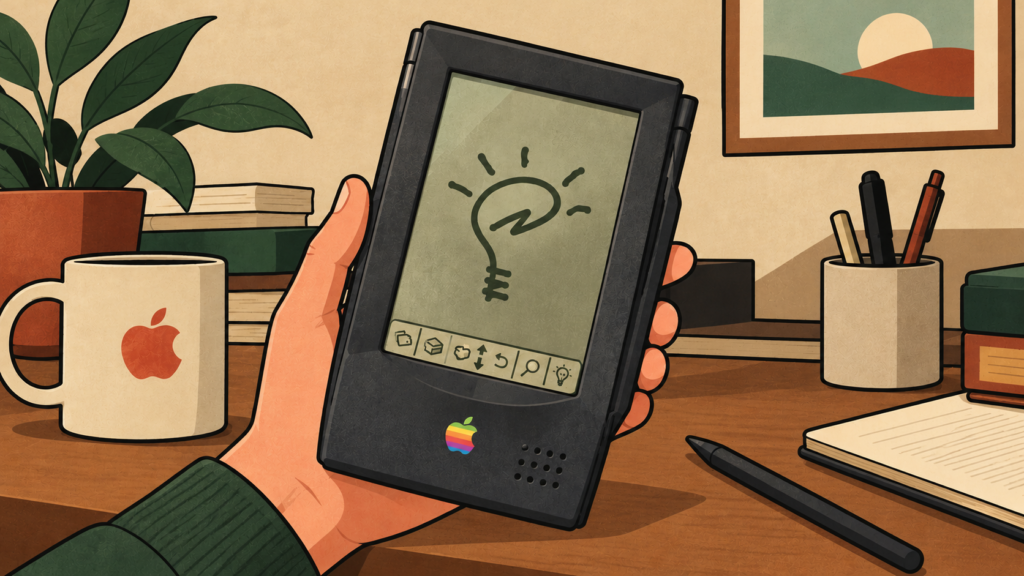
Long before the iPhone was a glimmer in Steve Jobs’ eye, there was the Newton.
Launched in 1993, it was a “Personal Digital Assistant” (PDA) with a stylus and handwriting recognition. It was supposed to replace your notebook. Instead, it became a joke on The Simpsons.
The Specific Failure: The technology simply wasn’t ready. The handwriting recognition was so bad that it often translated “Catching on” to “Egg Freckles.” It was too big for a pocket, too small for a desk, and too expensive for a toy.
The Lesson: Being early is not the same as being right. The “Touch-and-Pocket” computing concept was brilliant, but the “hardware” couldn’t support the “software vision.”
The Proof of Later Impact: If you look at an original Newton today, you’re looking at the blueprint for the iPhone and iPad. Many of the engineers who suffered through the Newton failure stayed at Apple and applied those hard-earned lessons to iOS. They realized that for a touch device to work, you didn’t need a stylus, you needed a finger. The Newton was the rough draft; the iPhone was the final manuscript.
3. Pepsi A.M.
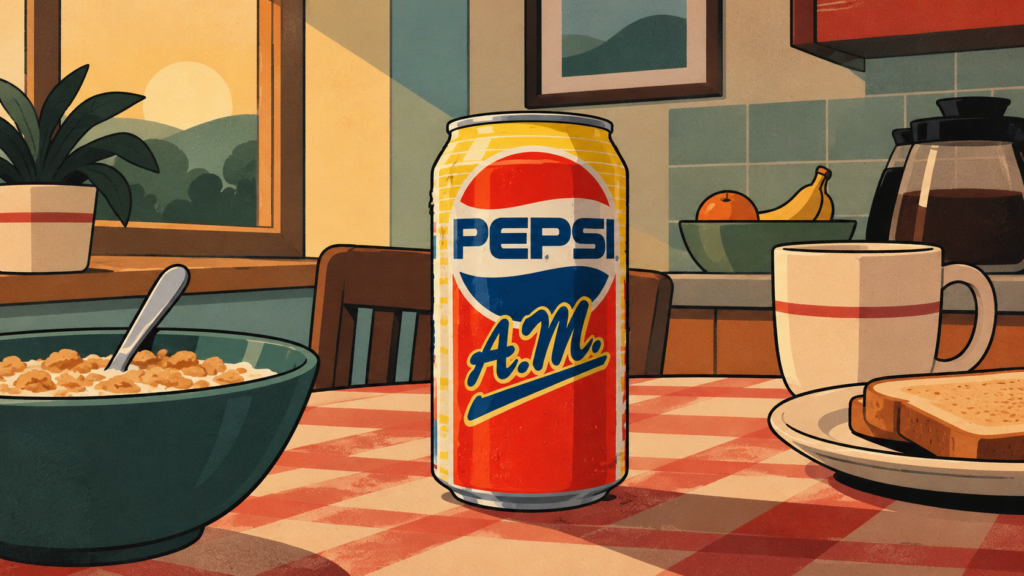
In 1989, Pepsi decided it wanted to own your morning.
They noticed people were drinking soda for breakfast for the caffeine, so they created Pepsi A.M., a version of Pepsi with 28% more caffeine.
The Specific Failure: The name was too literal. People don’t want to feel like they are “drinking soda for breakfast,” even if they are. It felt medicinal and forced. The branding created a “use-case” that was too narrow.
The Lesson: Timing and positioning are everything. You can’t just tell people to change a deep-seated cultural habit (coffee/tea) by slapping “A.M.” on a can.
The Proof of Later Impact: Pepsi just changed the “Vibe.” Years later, launching Pepsi Max. Instead of “Drink this for breakfast,” the message was “Maximum taste, no sugar, high energy.” By removing the time-stamp (A.M.) and focusing on the benefit (Energy/Taste), they created a global powerhouse.
4. New Coke
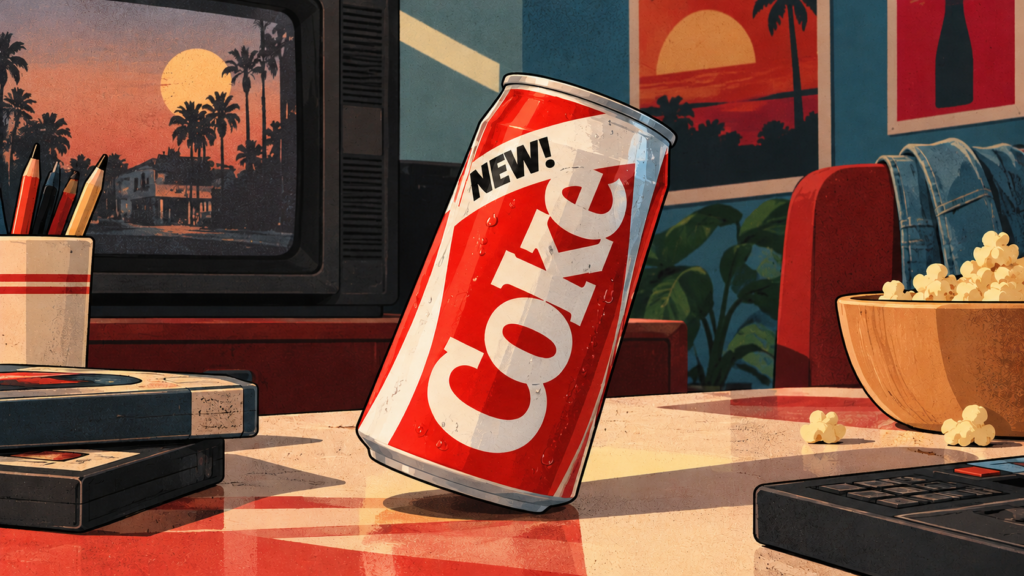
In 1985, Coca-Cola did the unthinkable. They changed their 99-year-old secret formula. Blind taste tests showed people preferred the sweeter “New Coke” over Pepsi and the original. But when it hit the shelves? Chaos.
The Specific Failure: Coke underestimated emotional loyalty. They treated a “Brand” like a “Product.” Coke belonged to the people. It represented memories, childhood, and America.
The Lesson: A successful brand is all about identity. You can’t use logic to solve an emotional problem.
The Proof of Later Impact: This failure actually became the greatest marketing win in history. When they brought back “Coca-Cola Classic” 79 days later, the surge in loyalty was unprecedented. It taught every marketer on the planet that Brand Equity is a company’s most valuable asset. It’s why today, companies are terrified to change their logos or core identities. They know the “New Coke” ghost is always watching.
5. Crystal Pepsi
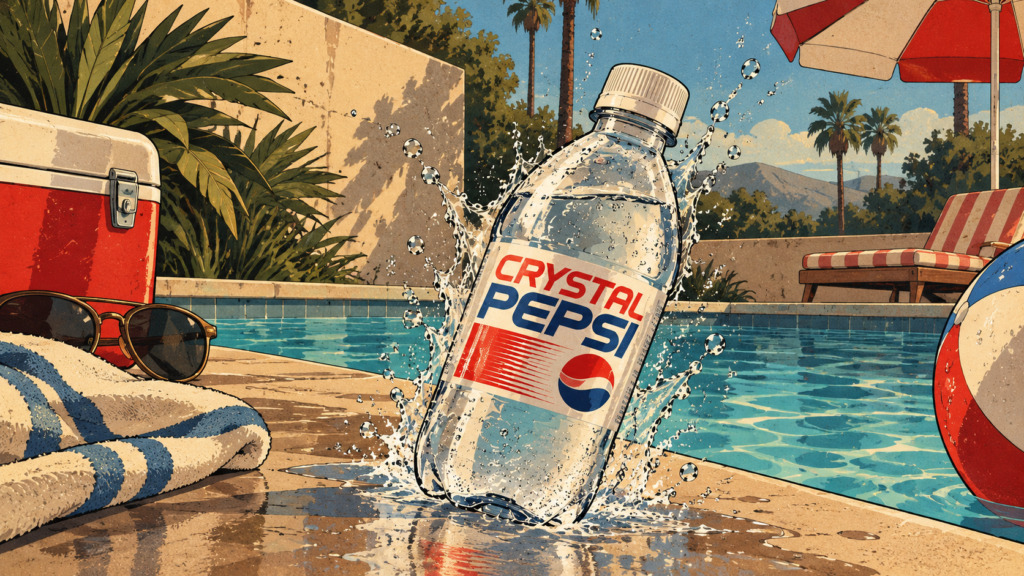
In the early 90s, there was a “Clear Craze.” Clear dish soap, clear gasoline (really), and clear soda. Pepsi launched Crystal Pepsi, a caffeine-free, clear version of the drink. It was a massive hit at first, then vanished.
The Specific Failure: Consumers have “Sensory Expectations.” We expect clear drinks to taste like lemon-lime or water. When a clear drink tastes like heavy cola, the brain gets confused. That “perception mismatch” made the drink feel “off” to people.
The Lesson: Brand cues shape taste. Innovation must still feel familiar. If you change too many variables at once (color AND taste), you lose the user.
The Proof of Later Impact: This taught the beverage industry about “Sensory Branding.” You see the legacy of Crystal Pepsi in how companies now launch “Limited Time Offerings” (LTOs) to test weird ideas without risking the main brand. It also informed the “Water-plus” market (drinks like Hint or flavored seltzers) that balance transparency with subtle, expected flavors.
As we’re done with soda, let’s listen to some songs, but not on our phones or our iPods either, we’ll do that on…
6. Microsoft Zune
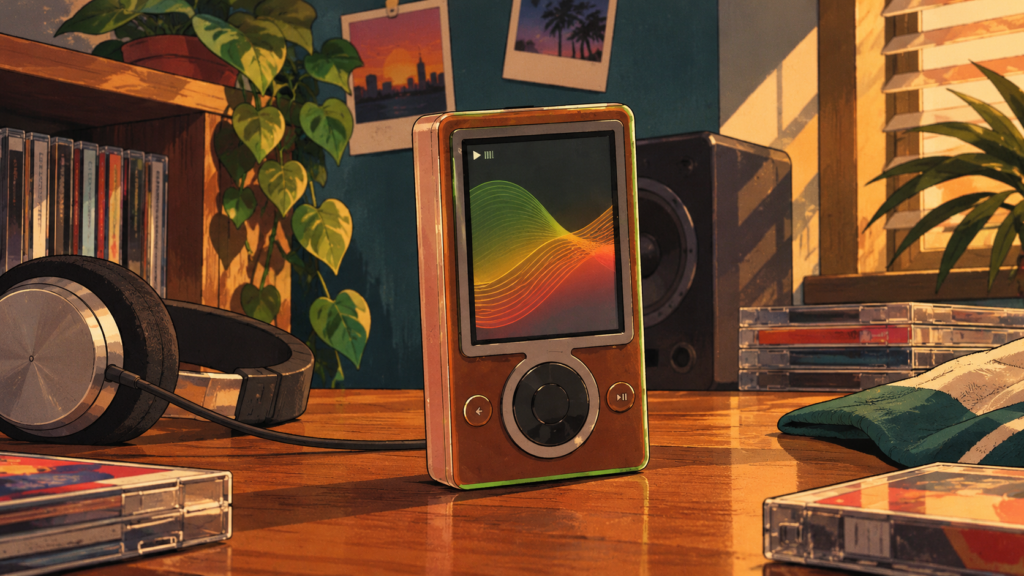
The Zune was Microsoft’s “You Son of a b****, I am in” moment.
It arrived in 2006, five years after the iPod had already conquered the world. It had some cool features, like “squirt” (wirelessly sharing songs), but it couldn’t dent Apple’s armor.
The Specific Failure: Microsoft entered a hardware war that was already over. By 2006, millions of people had iPods and iTunes libraries. The switching cost was too high.
The Lesson: Hardware alone isn’t enough; the future is about integrated services.
The Proof of Later Impact: The Zune “failed” as a device, but it succeeded as a “DNA Donor.” The interface design (the “Metro” look) and the Zune Pass (a monthly subscription for unlimited music) became the foundation for Xbox Music and eventually Spotify-style streaming models. Microsoft stopped trying to build “the best player” and started building the “best service,” which is live in the massive Xbox ecosystem today.
Now let’s have some juice, just not the normal way…
7. Juicero
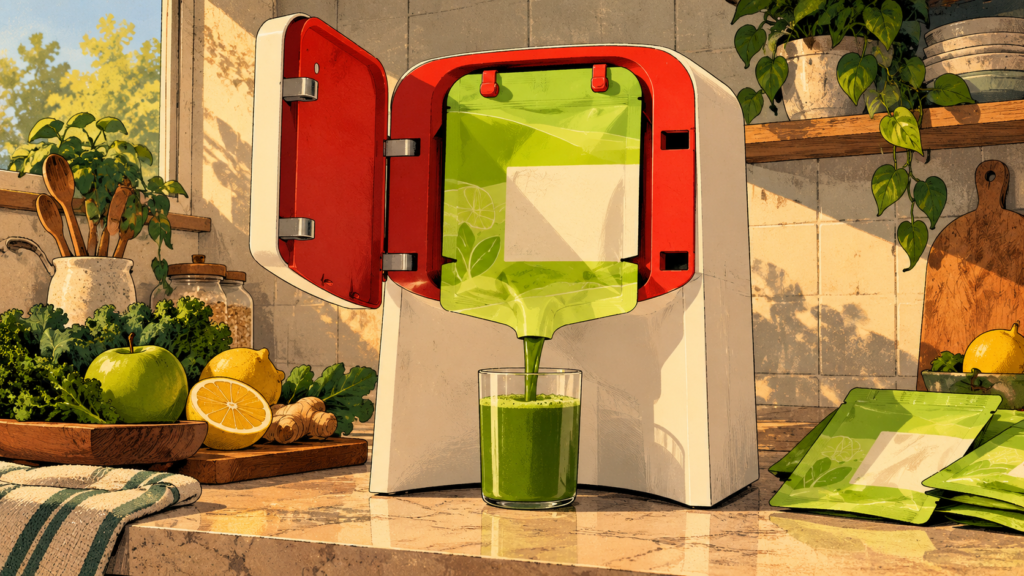
Juicero was a Silicon Valley darling that raised $120 million. It was a high-tech machine that squeezed proprietary juice packs. Then, a Bloomberg journalist showed that you could squeeze the packs just as fast with your bare hands.
The Specific Failure: Overengineering. The machine was a marvel of tech, but it solved a problem that didn’t exist. It was “Hardware for the sake of Hardware.”
The Lesson: Convenience cannot be faked by branding. If your $400 machine does the same thing as a human hand, your product is just a burden.
The Proof of Later Impact: Juicero became the “Gold Standard” for what not to do in hardware startups. It shifted the entire venture capital landscape toward “Product-Market Fit.” Every hardware founder today has to answer the “Juicero Question”: Does this actually need to be a machine? It forced the industry to value real utility over “aesthetic tech.”
Well I know our attention span isn’t so good now, let’s try to watch a movie on…
8. Qwikster
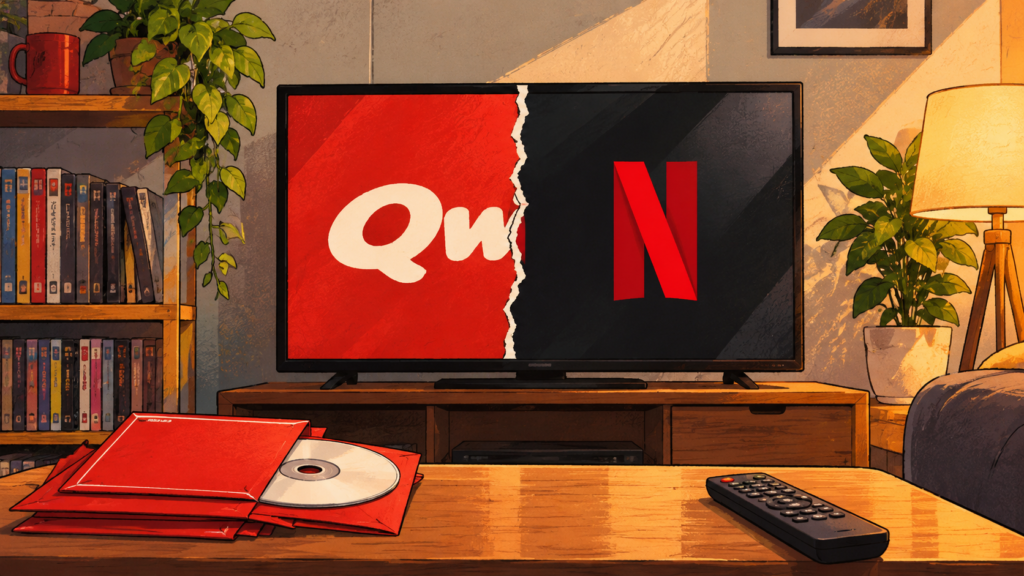
In 2011, Reed Hastings decided to split Netflix into two separate businesses: Netflix for streaming and “Qwikster” for DVD-by-mail. Customers would have to have two accounts, two bills, and two websites.
The Specific Failure: Internal Logic vs. Customer Experience. To Netflix, the split made sense for the balance sheet. To the customer, it was a nightmare. They lost 800,000 subscribers almost overnight.
The Lesson: A company must align its structure with the customer experience, not its own internal departmental logic.
The Proof of Later Impact: Netflix killed Qwikster within weeks and apologized. But the failure gave them the “Social Awareness” to realize that streaming was the only future. They stopped playing in both worlds and poured every cent into Original Content. That pivot from “DVD distributor” to “Global Studio” only happened because the Qwikster fire forced them to choose a side.
9. HP TouchPad
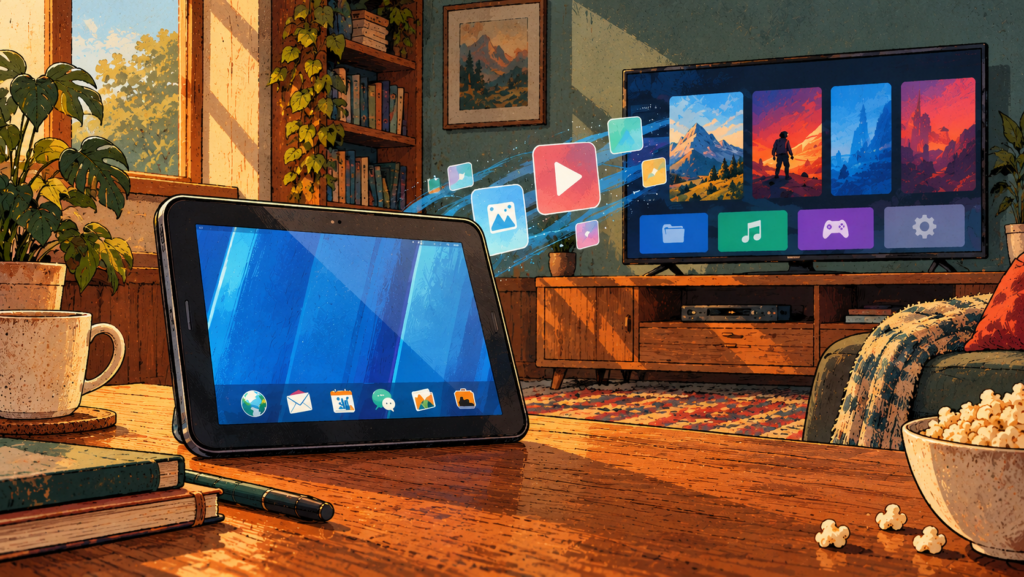
HP launched the TouchPad in 2011 to compete with the iPad. It ran webOS, a beautiful, card-based operating system. HP killed the device just 49 days after launch because sales were abysmal.
The Specific Failure: Lack of App Ecosystem. The “hardware” was fine, and the “software” was arguably better than iOS at the time, but there were no apps. A tablet without apps is just an expensive paperweight.
The Lesson: The software ecosystem can outlive the device itself. A “platform” is more valuable than a “product.”
The Proof of Later Impact: HP sold webOS to LG. Today, if you have an LG Smart TV, you are using the descendant of the HP TouchPad software. The “Cards” and “Multitasking” features that were too “early” for a tablet found their perfect home in the Smart TV interface. The device died, but the code survived.
It’s been exhausting these options, let’s get something interesting…
10. Orbitz Soda
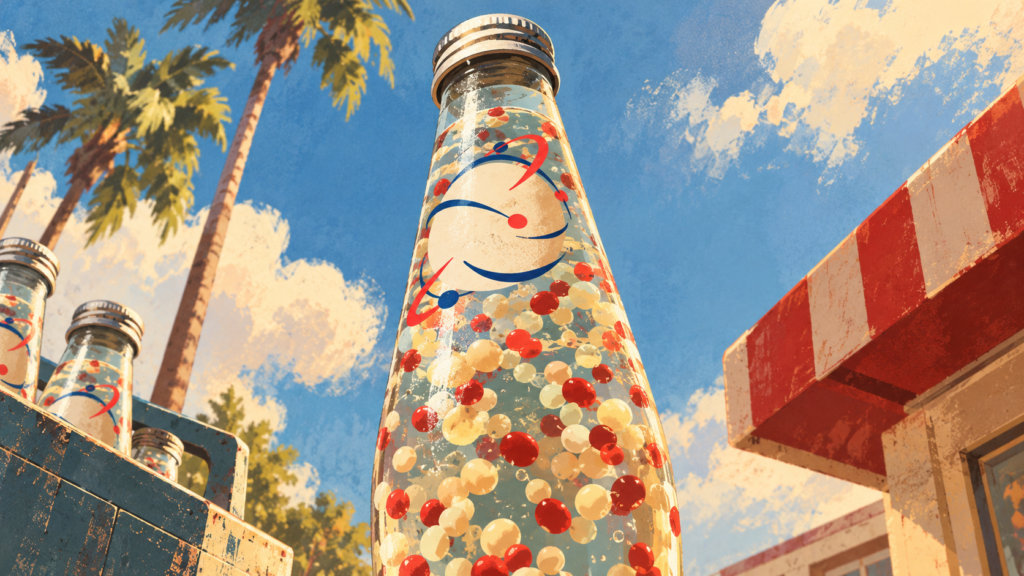
Orbitz was a non-carbonated fruit drink with small, floating edible balls inside. It looked like a science experiment. It was launched in 1997 and was gone by 1998.
The Specific Failure: Curiosity does not equal loyalty. Everyone bought Orbitz once to see the balls float. Almost nobody bought it twice because the drink itself tasted like cough syrup, and the balls had the texture of soggy gelatin.
The Lesson: Sensory novelty is a “hook,” not a “bridge.” If the core experience (the taste) isn’t there, the “Wow factor” will only get you through the first week.
The Proof of Later Impact: Orbitz is a case study in “Attention Design.” Today, brands like Boba Tea shops or “Glitter Gin” brands use the same visual trickery, but they’ve learned the Orbitz lesson: the “floating bit” is the marketing, but the “liquid” has to be delicious. It paved the way for “Texture-focused” food and beverage marketing that dominates TikTok today.
You see, the thing is that we need to be better at failure
If you look at this table of “Failures,” you’ll notice a recurring theme. None of these companies went bankrupt. Why? Because they treated their failures as expensive data.
As you move forward in your own career, don’t be afraid of the “Orbitz” in your life. Don’t be terrified of launching your “Newton.”
The only true failure is the one you don’t learn from. Everything else is just a pivot. Sometimes, you have to build a “fancy brick” before you can build a masterpiece.
So, keep experimenting. Keep failing. Just make sure you’re taking notes. Because one day, your “Crystal Pepsi” moment might just lead you to your “Blu-ray” victory.
Until then, stay curious, and give your “hardware” a rest. The future is still being written.