1) The historic global ocean protection treaty came into force
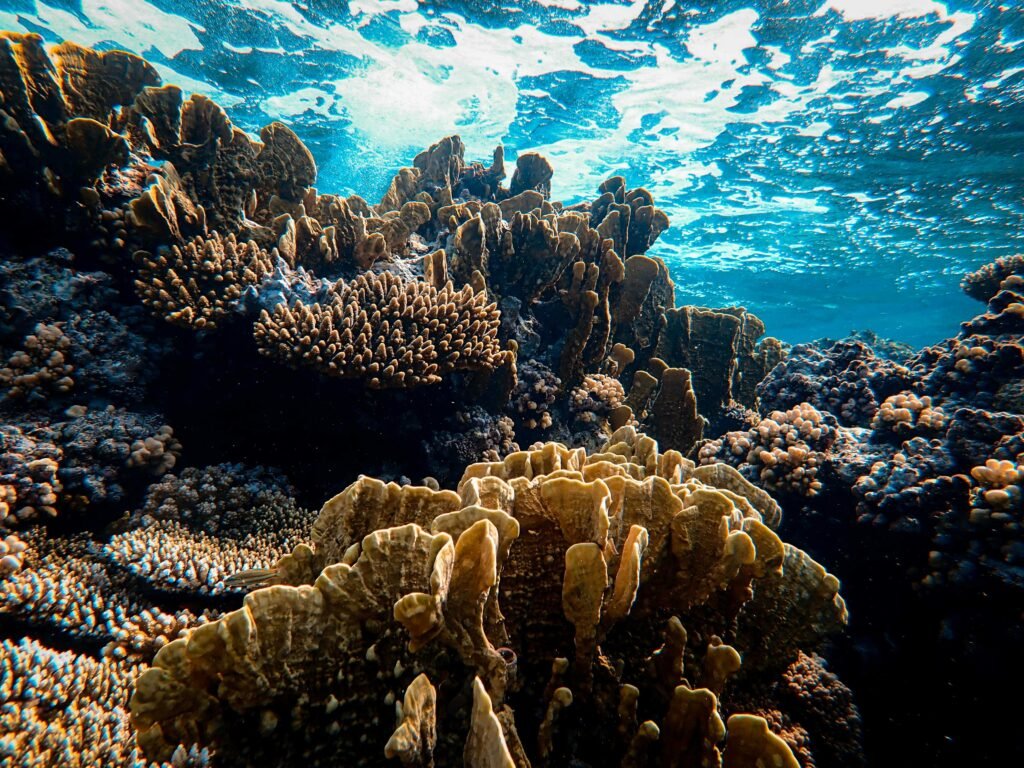
The Biological Diversity of Areas beyond National Jurisdiction (BBNJ) agreement came into force on 17 January 2026. It is implemented under the United Nations Law of the Sea. Marking a historic step in marine conservation it is the first legally binding treaty designed to protect biodiversity in international waters. The agreement covers crucial areas such as marine genetic resources, area management, environmental impact assessment, and marine technology transfer, providing a framework for the protection of fragile environments.
2) Dandelion root extracts can destroy up to 95% of tumor cells in just 2 days
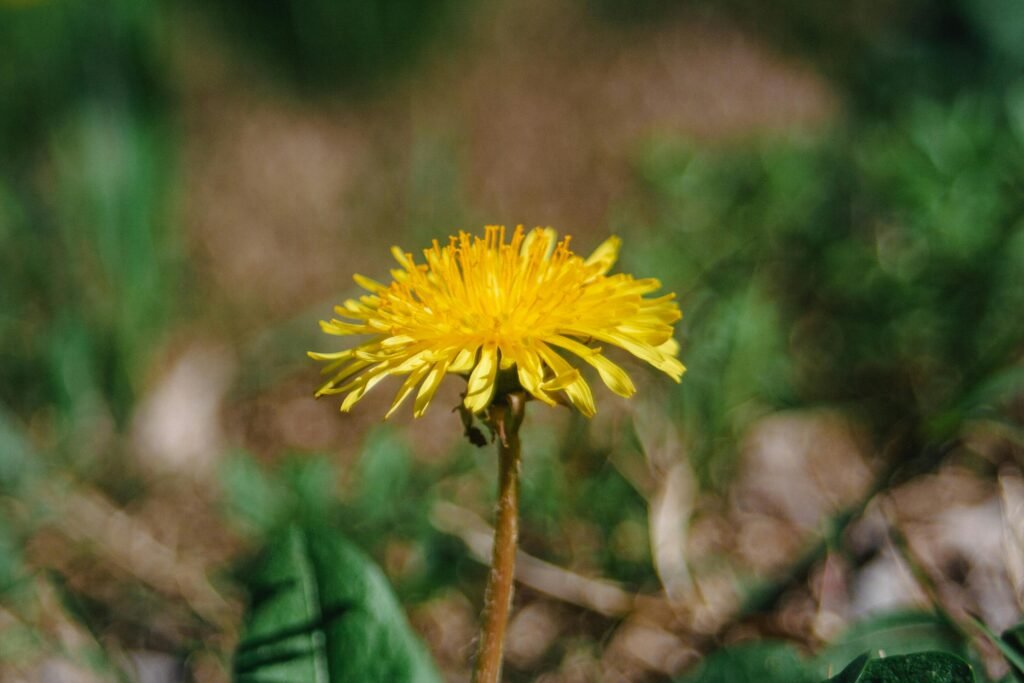
According to a study by the National Institute of Biotechnology Information, dandelion, which already has anti-depressant and anti-inflammatory properties, can also have anti-cancer potential without showing any toxicity to non-cancer cells when its roots are extracted. It could be an effective anti-cancer alternative, instrumental for reducing the occurrence of cancer cells’ drug resistance.
3) South Korea launches night buses for women

In South Korea, rising concerns over harassment and late-night crimes led cities like Seoul to introduce women-focused night buses with GPS tracking and female-only seating zones. It aims to protect women, particularly employees working on night shifts. CCTV cameras and emergency panic buttons are installed too, to add a layer of safety. The government initiative makes public transport more accessible at night for female commuters. Other countries should follow to protect women, promote equal mobility, and ensure safer public transport at night.
4) Finland has been officially recognized as the best country for families

A report by Global Citizen Solutions has identified Finland as the best country for the most family-friendly environment. It takes into account factors such as safety, happiness levels, affordability of childcare, flexible work options, and the length and quality of parental leave. Finland is known for its high happiness levels and world-class education.
5) AI shows scientists the potential to discover new antibiotics
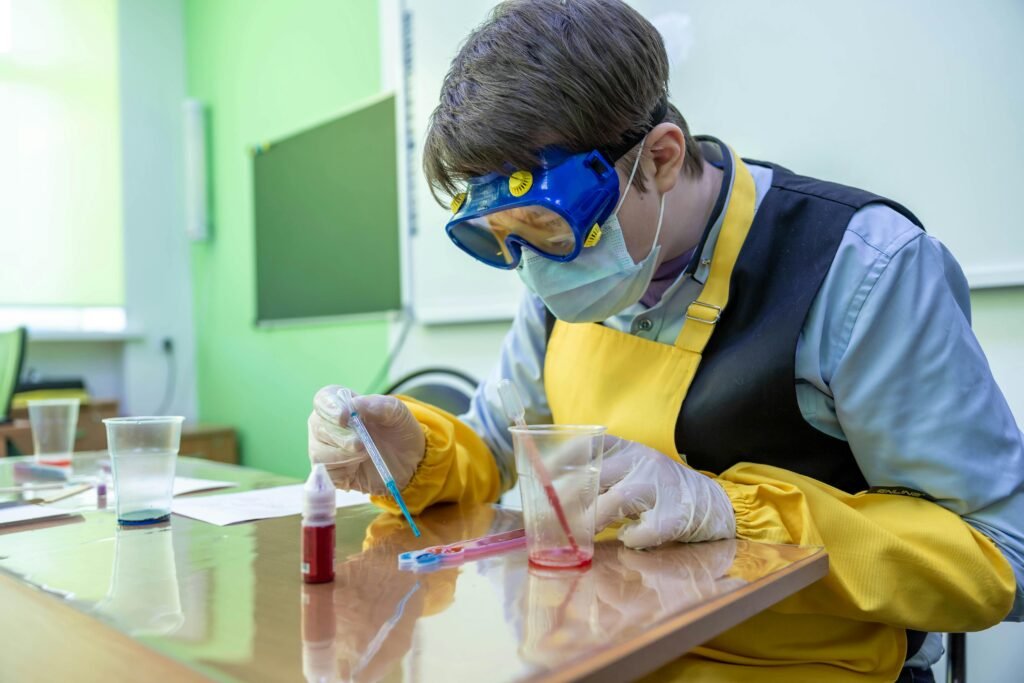
According to the American Society for Microbiology, Machine Learning (ML), a subset of Artificial Intelligence (AI) in which algorithms learn from training data to make predictions about new data, has dramatically accelerated the discovery of new antibiotic candidates. This discovery is a huge step forward in the fight against drug-resistant infections.