
By Saltanat Hussain
1) Gender inclusive budgeting for Viksit Bharat
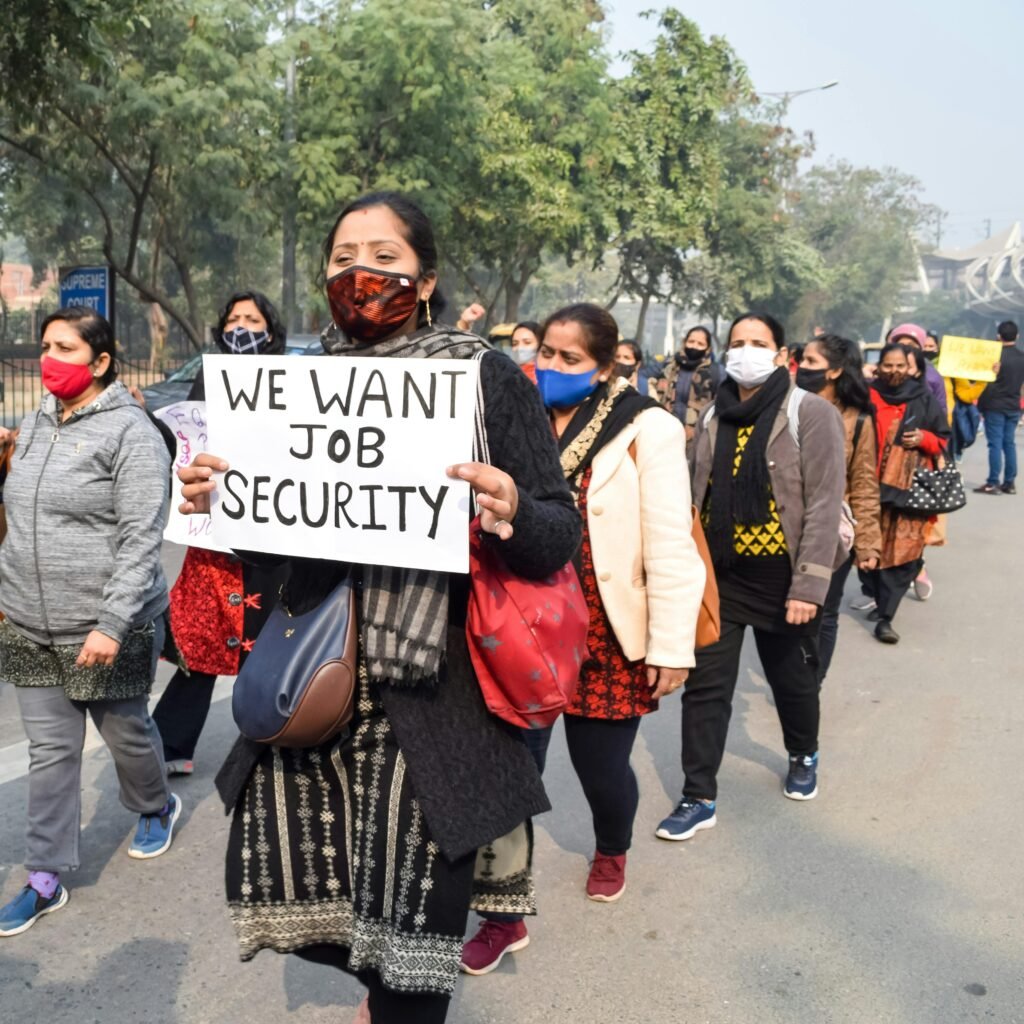
The finance minister announced an increase in the gender budget to 8.8% of the total budget. With 90% of working women in India engaged in the informal sector, the government plans to formalise gig workers by issuing identity cards and registering them on the e-Shram portal. It’s a significant step to increase the female labour force participation rate, which is currently 42% in India, below the world average of 47%. The given budget will be allocated for increased investment in skilling, employment, entrepreneurship, access to productive resources, and social security entitlements of women, which will lead to holistic development needed for Viksit Bharat, states the Annual Financial Statement 2026.
2) Increased investment in localised data centres promises privacy for Indian nationals.

In the world where data is the new oil, India produces 20% of the world’s data and only 3-6% of global data centre capacity, so it becomes important to protect the data of Indian citizens. To uphold this, the government allows 100% FDI through the automatic route in building data centres in India, and many MNC’s have come forward for investment. According to Adani Enterprises’ statement, the Adani group plans to invest $100 billion to build renewable energy-powered AI data centres in India by 2035. Several Tech giants like Microsoft and Google have also shown interest in building data centres in India. This move is in line with the Digital Data Protection Act and RBI guidelines of payment data protection, which mandate data storage within the nation for ensuring privacy and security of Indian citizens.
3) In a bold step, a village in Maharashtra declared itself caste-free
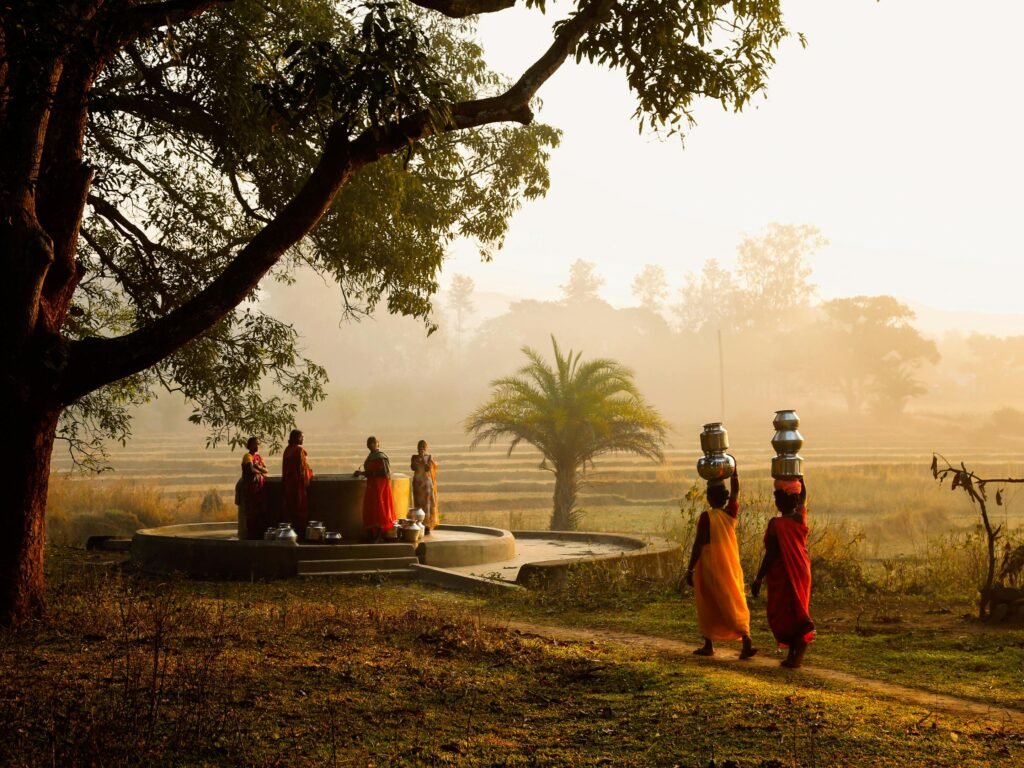
In a country where the caste system has led to social inequalities, a village in Maharashtra has made a powerful shift towards social harmony. Soundala in the Ahilyanagar district of Maharashtra has declared itself caste-free, which means caste can no longer be asked publicly, nor can it influence social events like marriage and dining. Although caste as a basis of discrimination is illegal in India, caste influences the social life of people, as it may be unseen in public yet dominantly practised in private affairs. This village in Maharashtra has become an inspiration for the entire nation to eradicate the caste system from its roots.
4) Iceland legally guarantees equal pay for men and women

In a remarkable move, Iceland has passed a law for making gender pay gap illegal. This ensures men and women are paid the same for equal work. This has enhanced the female labour force participation and social security among women. The Indian Constitution has the same directive principle as the Constitution of India. Although it is not legally binding currently, it has the constitutional backing for the government to legalise the same, taking inspiration from Iceland. This will uplift the position of women in the working environment, leading to a reduction in unemployment among women.
5) A robot fish will now clean the oceans

Engineers in the United Kingdom have designed microplastic-eating fish – Gillbert. It swims and filters the ocean’s most dangerous particles that are tiny enough to enter the marine animals and threaten their lives. The robot even turned the microplastics into energy to power itself, showcasing a clever, eco-friendly approach to cleaning the oceans and protecting the environment.