
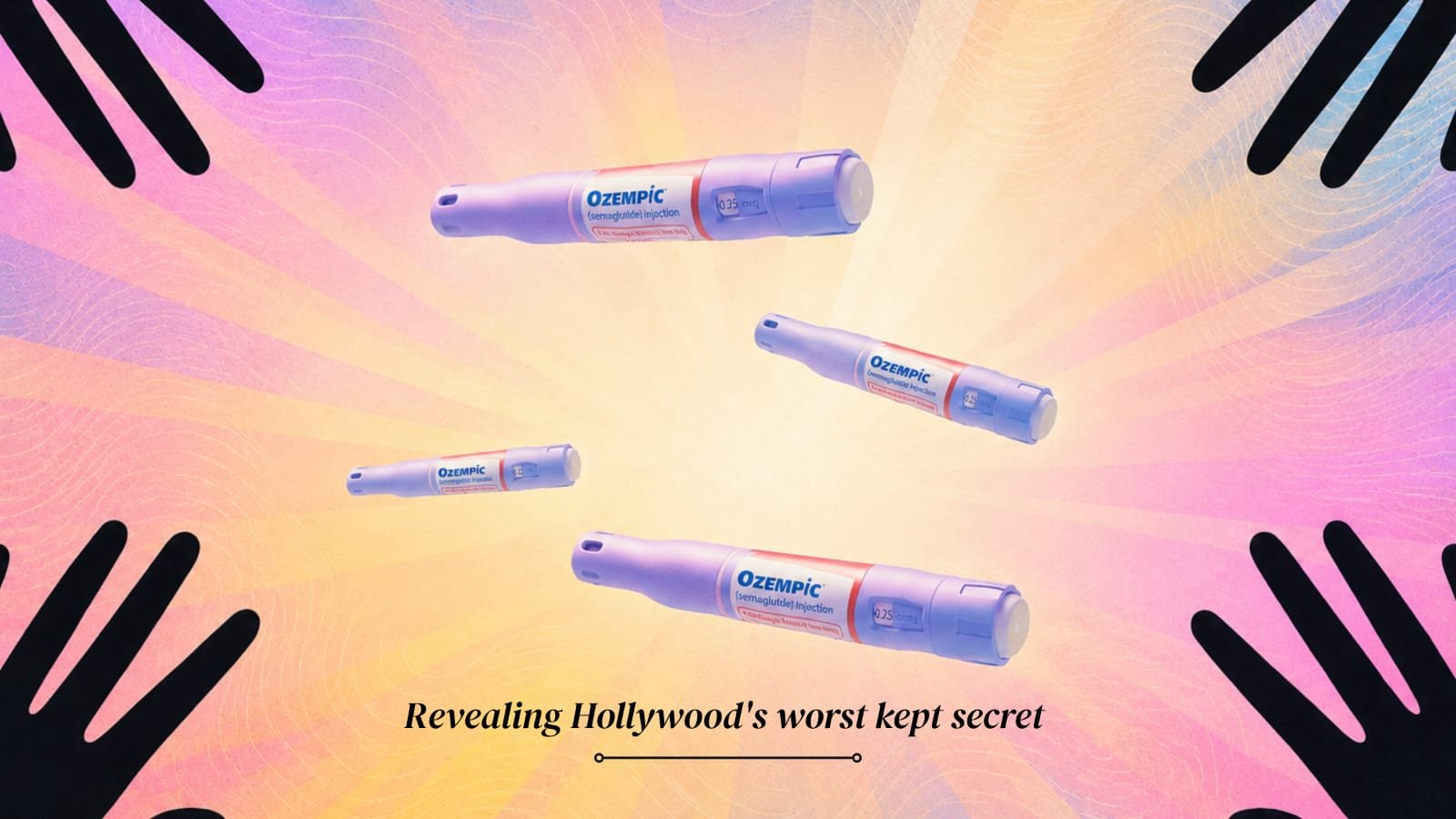
I know what you’re thinking. Not another article about Ozempic. I feel you. It’s like when everyone started talking about the “Metaverse” or “Humanoids”… at a certain point, the buzz just becomes background noise.
Before you scroll away to check your notifications, I need you to understand something. We are currently witnessing a shift in the healthcare world that is just as revolutionary as the transition from chunky Nokia bricks to the sleek smartphones we use today.
Except this time, the “upgrade” isn’t happening in your pocket. It’s happening in your biology. And more importantly, it’s happening in India at a price point that makes the rest of the world look like they’re being robbed in broad daylight.
Let’s talk about the democratization of the “Magic Shot.”
For decades, weight loss was treated as a moral failing. “Just eat less and move more,” they said. It was the “resistive touchscreen” era of health: clunky, frustrating, and often, it didn’t work. Then came Semaglutide (the active ingredient in Ozempic). Suddenly, we had a “capacitive multi-touch” breakthrough.
The drug mimics a hormone called GLP-1. It turns off “food noise”… that constant, nagging voice that asks, “Is there chocolate in the fridge?” even when you’ve just finished dinner. For the first time, we’re re-arranging the existing biological elements of the human body to create a new configuration of health.
If you live in the U.S., Ozempic is a luxury statement piece, much like owning a gold-plated flagship phone. It’s a “statement of social stature.” Because the patent system there is so rigid, the price stays astronomical… often hovering between $900 and $1,200 a month.
Imagine paying the price of a brand-new MacBook every single month just to stay healthy. That’s the reality for millions of Americans. It has created a “Great Divide.” On one side, you have the Hollywood elite who look younger and thinner by the day. On the other hand, you have people with actual Type 2 Diabetes who can’t afford the meds they were originally promised.
It’s a classic case of innovation being locked behind a paywall.
But as we know in the tech world, when a patent expires or a “jailbreak” happens, the market changes forever. And something identical to that happened with the “Hollywood’s worst kept secret.”
Mark that date in your calendar. It’s the day the “pharmacy of the world” decided to cook.
On March 20, 2026, the key product patent for Semaglutide in India officially expired. Over 40 Indian pharmaceutical heavyweights, the “OGs” like Sun Pharma, Dr. Reddy’s, Cipla, and Zydus, were already waiting in the wings with their notebooks open, ready to launch their own versions.
But while a shot in America might cost $936 or more (if you don’t have insurance), the entry-level generic versions in India (like those from Natco or Glenmark) are launching at roughly Rs 1,200 ($14) per shot.

That is a 96% discount.
We are moving from “Elite Luxury” to “Mass Utility.” In a country like India, which is currently the “Diabetes Capital of the World,”.
We should be “socially enlightened” here. You could be a gamer, and this feels like a great cheat code. But your body isn’t a game you can just “respawn” in. We need to examine the pros and cons with total honesty so we don’t become discouraged by the headlines.
- Cardiovascular “Buffs”: Clinical trials have shown that Semaglutide reduces the risk of heart attacks and strokes by 20%. That’s a massive upgrade.
- PCOS Support: For years, women with PCOS have struggled with insulin resistance that no amount of “kale salads” could fix. This drug is finally giving them a level playing field.
- The Kidney Shield: New data suggests it might even protect against chronic kidney disease. It’s like a multi-tool for your internal organs.
No software is perfect, and no drug is without side effects. If we’re going to be aware, we have to talk about the cons, too
The Mental Shift: Some users report a “dampening” of joy… not just for food, but for everything. Since the drug affects the reward center of your brain, it can occasionally lead to low moods or a feeling of being “out of body.”
Gastrointestinal Lag: Nausea, vomiting, and “Ozempic burps” (which apparently smell like sulfur… yikes) are common.
The “Muscle Trap”: When you lose weight this fast, your body doesn’t just burn fat; it burns muscle. If you aren’t eating enough protein or hitting the gym, you’ll end up “skinny fat.”
After this shift, the Indian pharma industry is re-arranging the delivery systems. We’re seeing the rise of oral semaglutide (pills) and reusable pen injectors that reduce plastic waste. We are taking an existing concept and making it work for the unique, diverse, and budget-conscious Indian market.
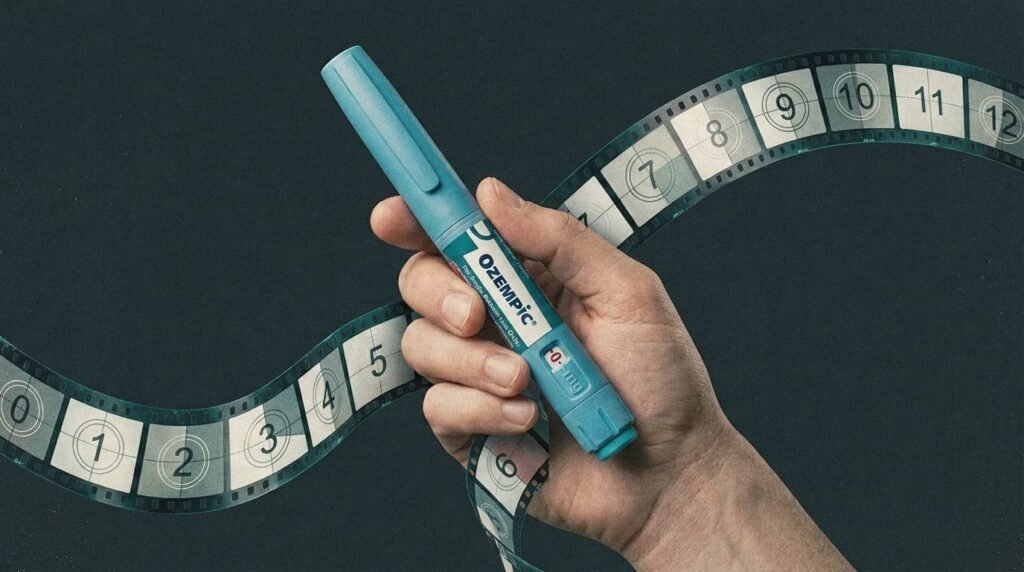
I suggested that smartphone companies should take 2-3 years between flagships to actually innovate. Well, the medical world usually takes 20 years.
But because of the way India handles patents and “socially conscious” lawmaking, we’ve managed to close that gap.
We actually don’t know what 2027 holds. Maybe by then, we’ll have a single pill that fixes our metabolism forever. Or maybe we’ll realize that the real “innovation” wasn’t the drug, but our ability to make it accessible to the person living in a small village in Haryana just as easily as the person living in a penthouse in Mumbai.
And just like that, the era of “Boring Medicine” is over. We are now moving towards an era of edge-of-your-seat, adrenaline-filled rush of a health revolution, where maybe you will be fit and active, and watching you would be a laborer who was obese, but because of what accessibility is in India, we are all fit now.
So, scroll hard, stay aware, and for heaven’s sake, give your eyes a rest. You’ve got a long, healthy life ahead of you.