
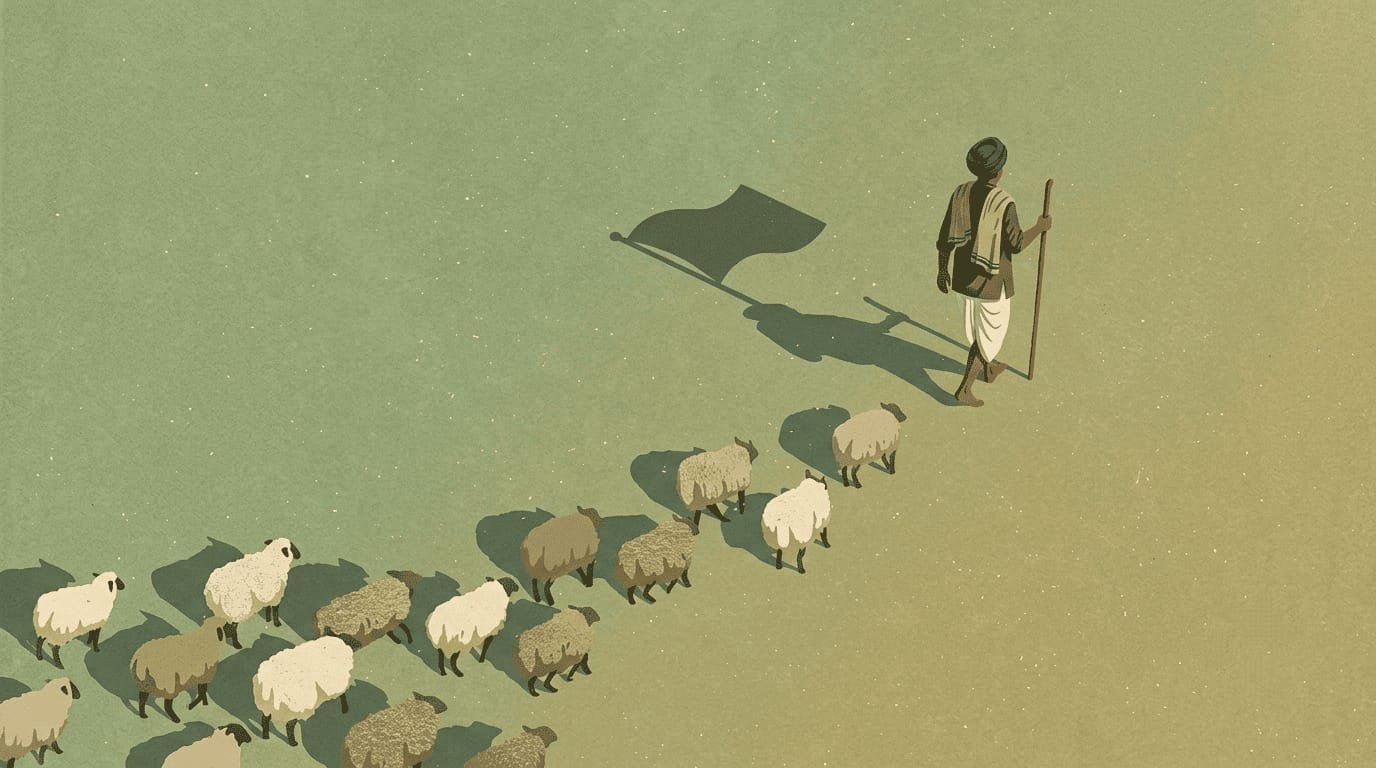
Livestock herders, or pastoralists, are often perceived as low-key figures moving with their animals through fields and grazing areas, a phenomenon that may seem simple or even mundane. However, there is much more to this practice. Behind the scenes of the moving livestock is a livelihood system that quietly supports millions of people and serves as a vital contributor to the food security of India.
For these communities, livestock rearing is not merely a livelihood, but rather a way of life influenced by their culture and faith.This is because stories that have been passed on in some pastoral societies indicate that their ancestors were meant to take care of animals, which creates a sense of responsibility towards their livestock. Thus, pastoralism represents a sense of identity, heritage, and a connection with animals and nature that has been built up over centuries.
Pastoral Communities In India
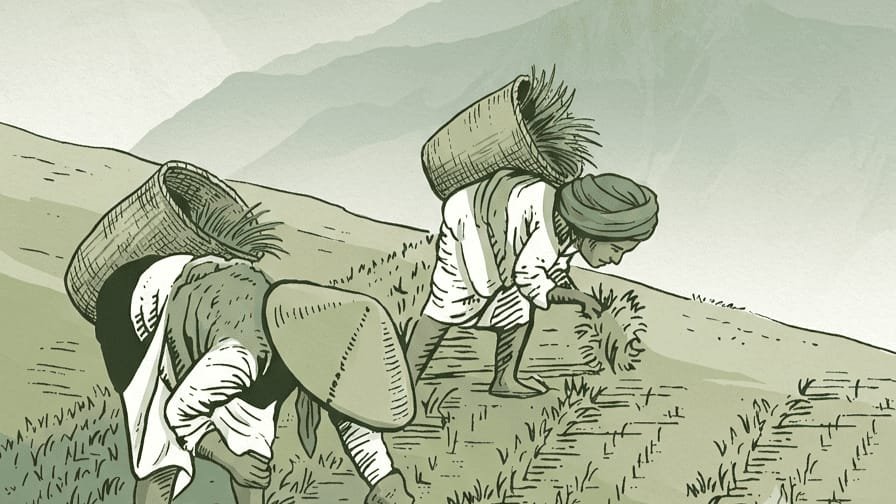
India is composed of a mosaic of communities, including nearly 46 distinct pastoral groups that have sustained these traditions for generations. Communities such as the Maldharis of Gujarat, the Rabaris and Raikas of Rajasthan, and the Dhangars of Maharashtra continue to rely on sheep, goats, and camels.
In the Himalayan region, pastoral communities such as the Van Gujjars and Bhotiyas of Uttarakhand, and Gaddis and Gujjars of Himachal Pradesh, practice seasonal migration and rely on their livestock for their living. In the North Eastern region of India, tribes such as the Brokpas of Arunachal Pradesh rely on yak herding in high-altitude areas.
These communities can be found in some of the most bio-diverse and hostile environments in the country, which range from the cold desert of Ladakh and the arid zone of the Thar Desert to the vast grasslands of central and southern India.
Despite their widespread presence, these communities often remain unseen and unheard. Yet, they form a crucial pillar of India’s rural economy, with a large section of the population relying on pastoral activities to strengthen the national livestock sector.
The scale of their contribution becomes clear when we look at the data. From the milk in our morning tea to the meat on our plates, a large share of what we consume is linked to pastoral communities. They contribute nearly 53 percent of India’s dairy sector and about 74 percent of its meat production. The livestock sector itself contributes around 4.5 percent to India’s national GDP, with pastoral production systems accounting for nearly two-thirds of this share.
Beyond economics, pastoralism thrives on a structured mobility that depends on ecological knowledge passed down through generations. Seasonal migration enables these communities to utilize scattered resources effectively, especially in areas where agricultural prospects are low. Migration patterns, influenced by rainfall, pasture, and water maintain the equilibrium of the environment. In this way, pastoralism represents a practical, ecological way of living in harmony with nature.
Challenges Faced By Pastoralists
Despite its importance, this way of life is becoming increasingly difficult. Grazing lands are becoming scarcer due to development activities, lack of access to forests, and changing land use patterns. While pastoralists were once welcomed to graze cattle in open fields, they now face difficulty finding even the barest of spaces.
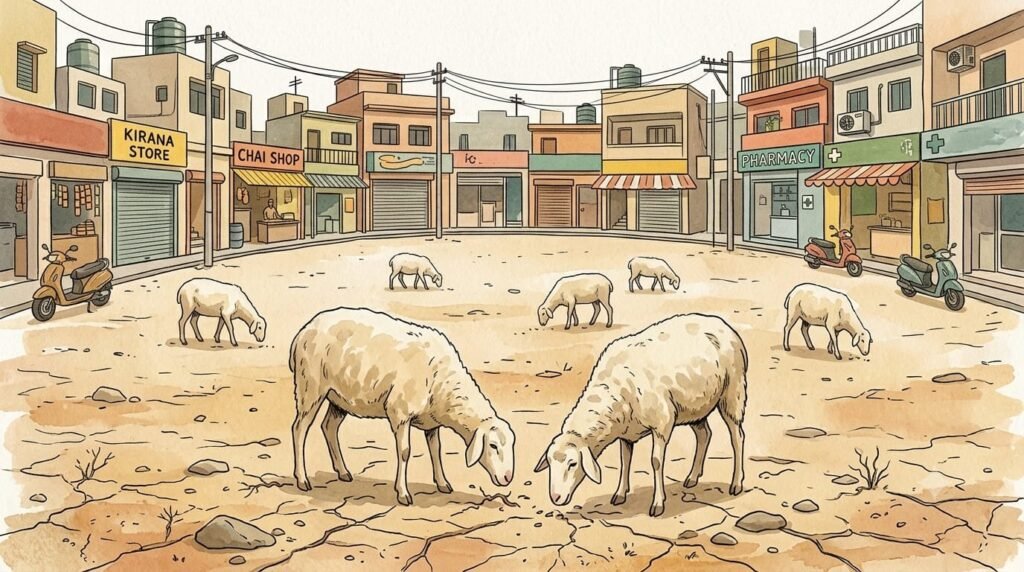
Furthermore, access to government support is often limited. Issues such as a lack of veterinary support, medicines, and vaccinations for cattle, as well as the theft of livestock and a lack of legal support, continue to plague these communities. They are frequently forced to move long distances in an increasingly desperate search for pasture and water.
Bridging The Gap
In the midst of these escalating challenges, the conservation of grasslands and the pastoralists who inhabit them requires a shift from conflict to cooperation. Pastoralism and conservation have often been viewed as mutually exclusive, yet they share the common goal of maintaining a healthy environment.
The problem of overgrazing, which is often blamed for land degradation, is sometimes attributed to herders needing to increase livestock populations. However, the solution lies in a more holistic approach. Livestock actually have the ability to enrich the soil and the health of grasslands. By focusing on grasslands as socio-ecological systems, we can ensure the coexistence of the environment and pastoralists. Implementing rotational and regenerative grazing, alongside the inclusion of wildlife, is likely to improve overall land productivity.
What Has Been Done So Far
In India, various steps have been taken to ensure pastoral communities are supported. The Forest Rights Act has acknowledged traditional grazing rights, and schemes such as the National Livestock Mission have emphasized fodder development, breed improvement, and sustainable management. Support has also been extended through veterinary services, vaccination drives, and drought relief schemes.
However, there remains a growing need to formally recognize pastoralists as key stakeholders in land and resource management. Strengthening grazing rights, protecting traditional migration routes, and involving communities in decision-making ensures that their knowledge is not lost but actively used to manage fragile ecosystems.
If pastoralism fades, it will not just be the loss of a livelihood, but the disappearance of an entire knowledge system that understands how to live with nature rather than against it. Supporting pastoralism is not just a matter of welfare, it is essential for securing India’s ecological balance, food systems, and a sustainable future. Protecting these communities is a prerequisite for maintaining the delicate balance between human needs and the natural world.