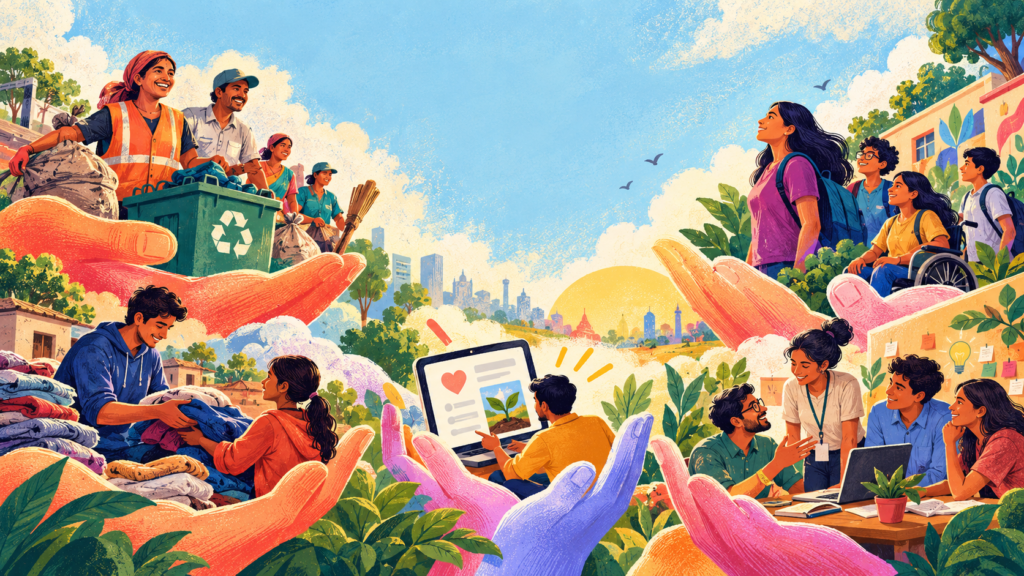
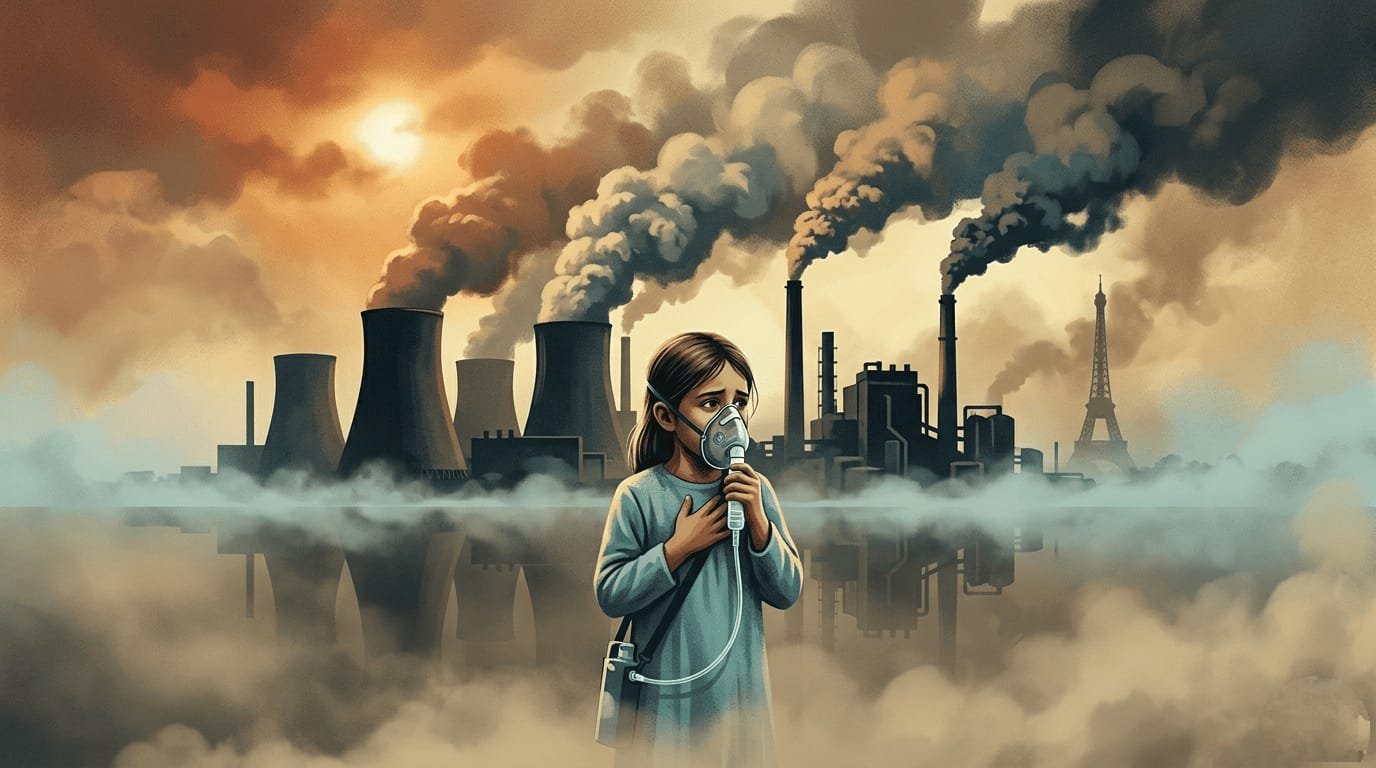
Climate change is no longer a term reserved for scientific reports and global forums alone. It is slowly becoming a part of our everyday lives. People all over the globe are experiencing and seeing the changes in the climate, whether it is irregular rainfall, longer periods of heatwaves, floods, or winters no longer being the same as they used to be.
Every year, new data is released, not only updating the records of the past years, but also providing us with a better understanding of the changing climate of our planet. We often hear of terms such as the “hottest year of the century” or the “hottest decade recorded.”
These statistics are not mere figures and literature, but a reflection of the climate and the planet we are living on, and the changes we are experiencing in our everyday lives.
For decades, we’ve been forcing our oceans and atmosphere to consume a large amount of heat that the Earth is no longer capable of releasing into space. This is not just a variation of the weather; it is a very real “heat debt” that is melting the ice sheets and altering the oceanic currents that have long controlled the climate. We are not simply adjusting a thermostat; we are breaking the ancient systems of cooling that have kept our world habitable. This data has been regularly reported over the years, but what has changed now? Each one of us knows that we are already dealing with changing climate patterns. What has changed is the level of awareness about it. With the increasing number of records and observations, the world is being encouraged to look more closely at these changes and understand what is actually happening.
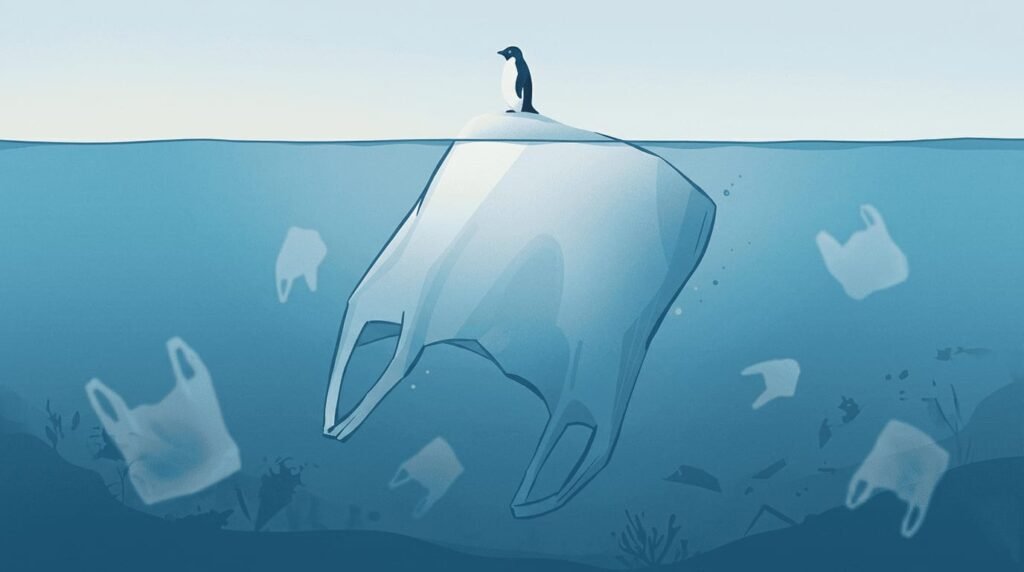
This growing concern has also forced the scientific world, government, and the people as a whole to take more serious steps towards addressing this issue and slowing down the increase in Earth’s temperature. Instead of simply observing what is changing, more is now being done to study these patterns carefully and understand their impact on our planet.
One of the areas where this change is most evident is in the world’s energy sector. Traditionally, the generation of electricity and the provision of heat, usually through the use of coal, oil, or gas, are among the largest contributors to the emission of carbon into the atmosphere. However, in the modern world, renewable sources of energy such as the sun and wind are increasingly being used to produce electricity. In fact, over the last two decades or so, thousands of gigawatts of renewable energy capacity have been added to the world’s energy mix. Today, more than 30 percent of the world’s electricity is generated by renewable sources of energy.
In fact, in some parts of the world, the change is happening even more rapidly. In Uruguay, for instance, most of the electricity is already generated by renewable sources of energy. In Europe and Australia, the change to clean electricity is happening gradually. At the same time, in other parts of the world, such as the USA, China and India, solar and wind farms are being established to produce electricity.
The change, however, is not limited to the electricity sector. Other major sectors, which have the highest emissions, such as the transportation sector, the heating sector, etc., are also gradually undergoing electrification. Electric cars, for instance, have become very popular in countries like Norway and China and are now setting foot in India. Similarly, heat pumps have replaced the conventional gas-based heating systems in several parts of the world. As renewable electricity becomes more affordable and accessible, electrifying everything, including transport, industries, etc., is now starting to make environmental as well as economic sense.
If we discuss the scenario of India, we can clearly see that the country is moving towards cleaner and more sustainable energy. Earlier, power generation was completely based on conventional fuels, but now things are changing. Today, more attention is being given to renewable sources, like solar and wind, which are proving to be better alternatives for traditional ones.
Solar Energy is playing an important role in the generation of power in the country. Large-scale solar parks are being developed in the country, and people are now using solar panels on their rooftops. Through initiatives like PM Surya Ghar: Muft Bijli Yojana, people are being encouraged to generate their own power on their rooftops.
The wind energy sector is also contributing to this change, as wind farms are providing clean electricity to the grid. Along with the power sector, the change is also being observed in the transportation sector. The increasing number of electric vehicles, with charging, battery recycling and battery-swapping facilities, is slowly replacing fuel-based transport.
All these changes, which have been occurring over the past decade, have now started reflecting in the global climate projections. At the beginning of the 21st century, scientists had warned that global warming, which had been occurring over the past century, was likely to increase by up to 4 degrees by the year 2100. However, currently, estimates suggest that global warming is likely to increase only up to 2.7 degrees. If the climate targets, which have been promised by several countries, are actually achieved, the figure is likely to come down to 2.1 degrees
Even though this is good news, the fact is that we still have a long way to go. Even if the increase in temperature is around 2 degrees, the consequences for the ecosystem, agriculture, and human health could be severe. Every fraction of a degree counts, as each increase in temperature makes the planet more unstable.
At the same time, new solutions are also emerging. For instance, the steel and cement sectors, which have long been regarded as extremely hard to decarbonize, are now exploring cleaner technologies such as electric furnaces, green hydrogen, and carbon capture. With this, other measures are also being taken to safeguard the environment through the preservation of natural ecosystems, which serve as important carbon sinks. For instance, the rates of deforestation in some parts of the world have slowed down, while the number of initiatives aimed at reforestation and tree planting is also increasing.
Overall, the above factors indicate that although the climate crisis is still huge, progress is also being made. The global move towards cleaner energy systems is no longer just an environmental imperative, but also an economic one. Renewable energy is now often cheaper than fossil fuels, making governments and industries invest more in the transition.
However, the rate at which this process occurs will define the future of the planet. The battle against climate change is far from over, but the progress that has been made so far indicates that it is indeed possible. The only thing left to be determined is not whether this process will occur, but rather how quickly it will occur in order to ensure a safer future for the Earth.
We are not only witnesses to the figures mentioned above, but we are also part of the present, and the decisions that are made in the present are a reflection of whether the figures will continue to rise or, at some point, level off.