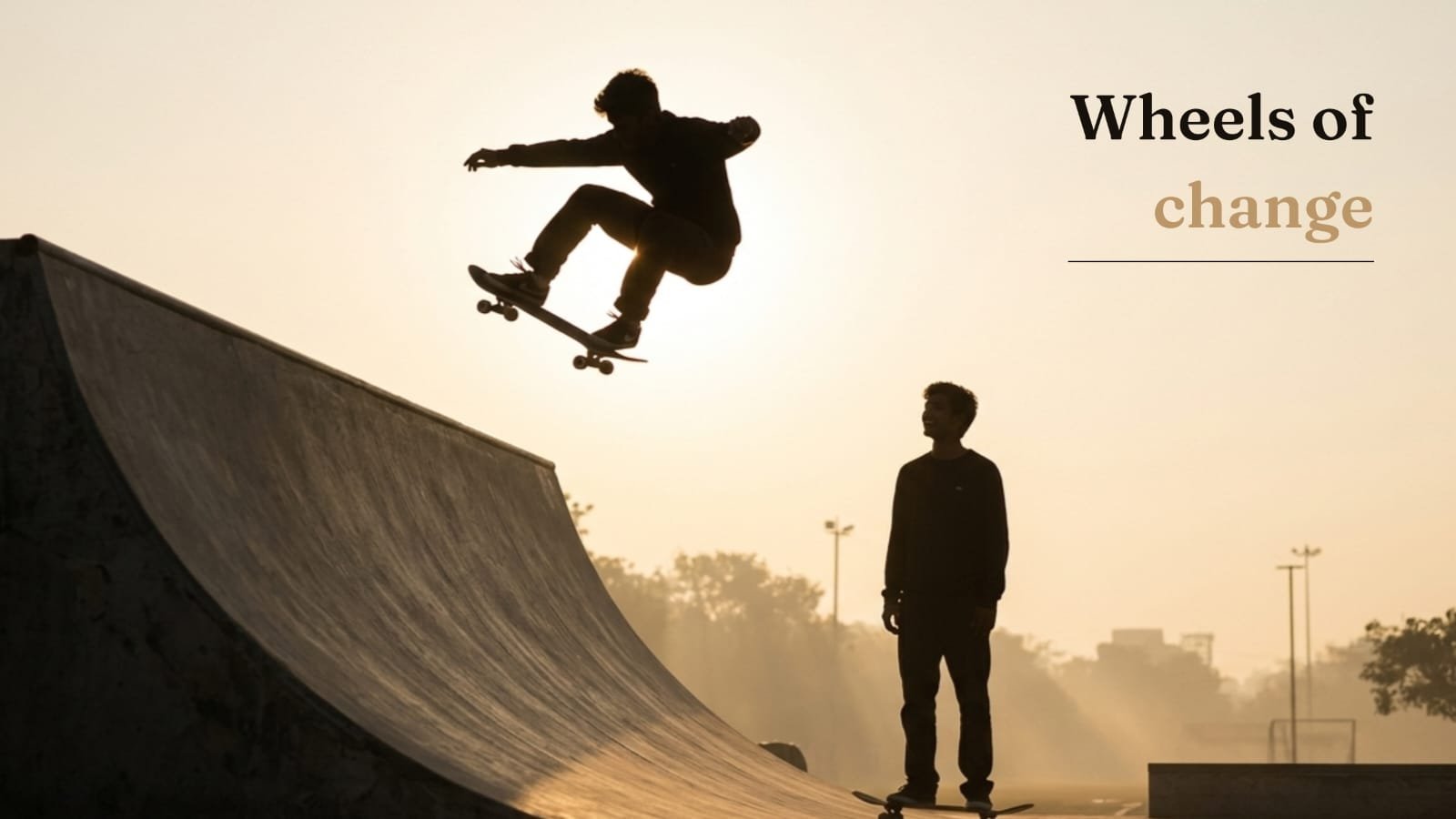
On a quiet Sunday morning in Delhi, a group of skaters glides through the city. Wheels hum against the roads. Some are children trying to find their balance, others are professionals escaping the routine of the workweek. A few are in their fifties. One is over sixty. For a moment, the city’s traffic noise fades. What remains is movement, freedom, and a sense of belonging.
Skating in India has never been an obvious choice. In a country where cricket dominates conversations and football attracts growing crowds, skating has largely existed on the margins. There are few dedicated spaces, limited infrastructure, and little institutional support. Yet despite these challenges, a vibrant skating culture is quietly taking shape across Indian cities, and Delhi is becoming one of its most fascinating chapters.
Building a Culture Where None Existed
Delhi wasn’t designed with skaters in mind,” says Nishchal Singh, founder of the Delhi Skating Community (DSC). For years, skaters in the capital had to create opportunities where none existed. There were no skate-friendly boulevards or purpose-built public spaces waiting for them. Instead, they transformed empty parking lots, smooth pathways, public plazas, and quiet roads into makeshift skating grounds.
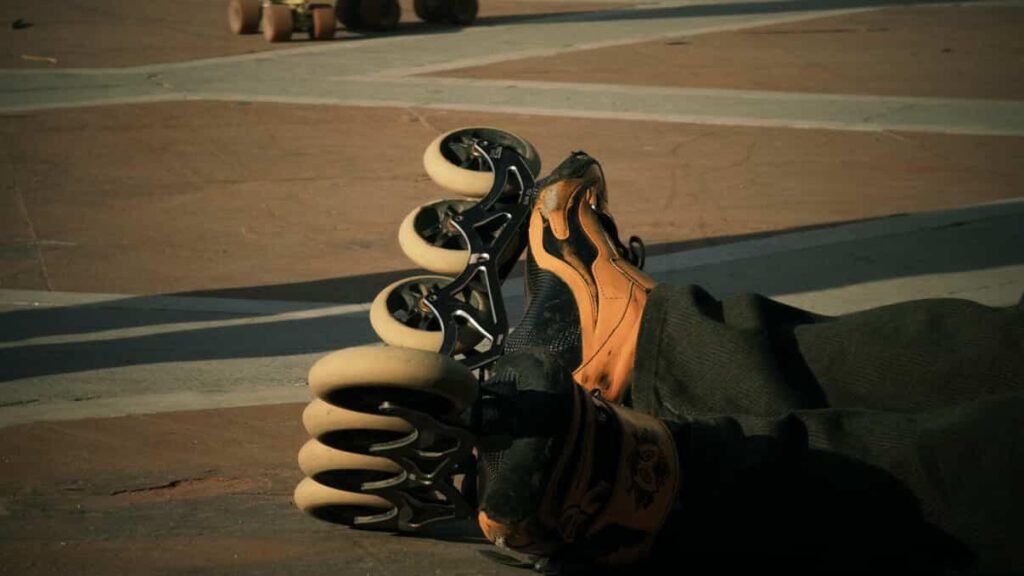
What began as a handful of enthusiasts has gradually evolved into one of India’s most active skating communities. For Nishchal, skating was never simply about learning tricks.
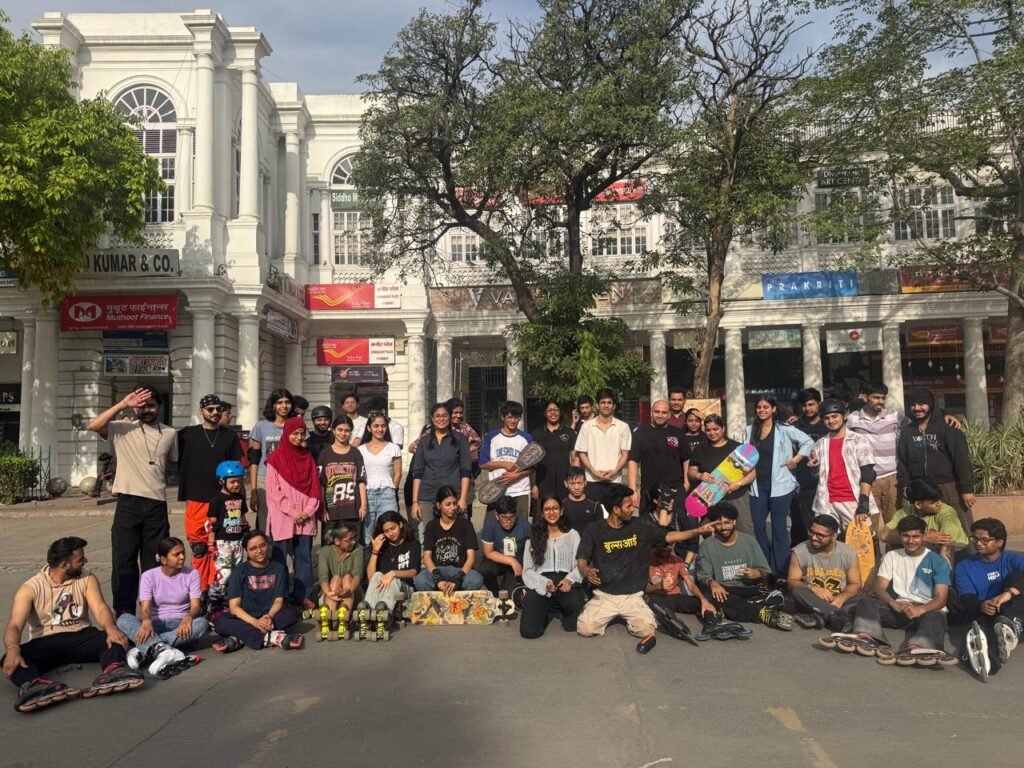
I never saw skating as just a sport,” he explains. “I saw it as a way for people to connect, express themselves, stay active, and build friendships.” That philosophy has become the foundation of DSC. Over the years, the community has brought together skateboarders, inline skaters, quad skaters, longboarders, and complete beginners from different backgrounds and age groups. The result is something far bigger than a sports club. It is a social movement built on wheels.
Seeing the City Differently
Ask any skater where they skate, and the answer is rarely straightforward.
For skaters, Delhi looks different. Places like Asiad Village, Ansal Plaza, and Kalyanpuri are more than just locations on a map, they are spaces where friendships are built, new tricks are learned, and the city’s skating culture continues to grow. A staircase becomes an opportunity. A smooth pathway becomes a racetrack. An empty parking lot transforms into a training ground.
Long before skating communities became visible online, many skateboarders were quietly carving out their own culture in corners of the city. They gathered in public spaces, experimented with tricks on staircases and rails, and turned ordinary urban landscapes into playgrounds. It was a small but passionate underground scene that helped keep skateboarding alive in Delhi.
But Delhi’s skateboarding culture is not limited to public spaces. One of its most significant hubs is tucked away in an unlikely location: A basement in Neb Sarai, South Delhi.
Hidden beneath a residential building, a dedicated skatepark has become a crucial hub for Delhi’s skateboarding scene. The sound of wheels rolling across ramps echoes through the underground space as beginners and experienced skaters spend hours practising.
While India has a growing skateboarding community, a strong underground skateboarding culture is still largely absent. According to Nishchal, the scene in Delhi has been driven more by organised communities and public meetups than by the underground street-skating culture often seen in other parts of the world.
Inside, ramps, rails, and obstacles offer something rare in Delhi, a dedicated space for skateboarders. Yet for many skaters, the true value of a skating spot has little to do with infrastructure. What makes these places special is the memories attached to them. It is where someone lands their first trick, overcomes a fear, or finds a community that keeps them coming back.
What makes these places special are the memories attached to them. It is where someone lands their first trick, overcomes a fear, or meets lifelong friends.
In many ways, skating spots have become modern community spaces where people from completely different worlds meet through a shared passion.
Curiosity Turns Into Community
When skaters roll through public spaces, they often attract attention. Children stop and stare. Parents ask questions. Curious onlookers pull out their phones. The most common reaction, according to community members, is curiosity.
Many adults approach skaters with a familiar confession: they always wanted to learn but never had the opportunity. Some eventually join. The age diversity within DSC challenges one of the biggest misconceptions about skating, that it is only for teenagers. The community’s youngest member is five years old. Its oldest is sixty-three. “Skating is for all,” he says.
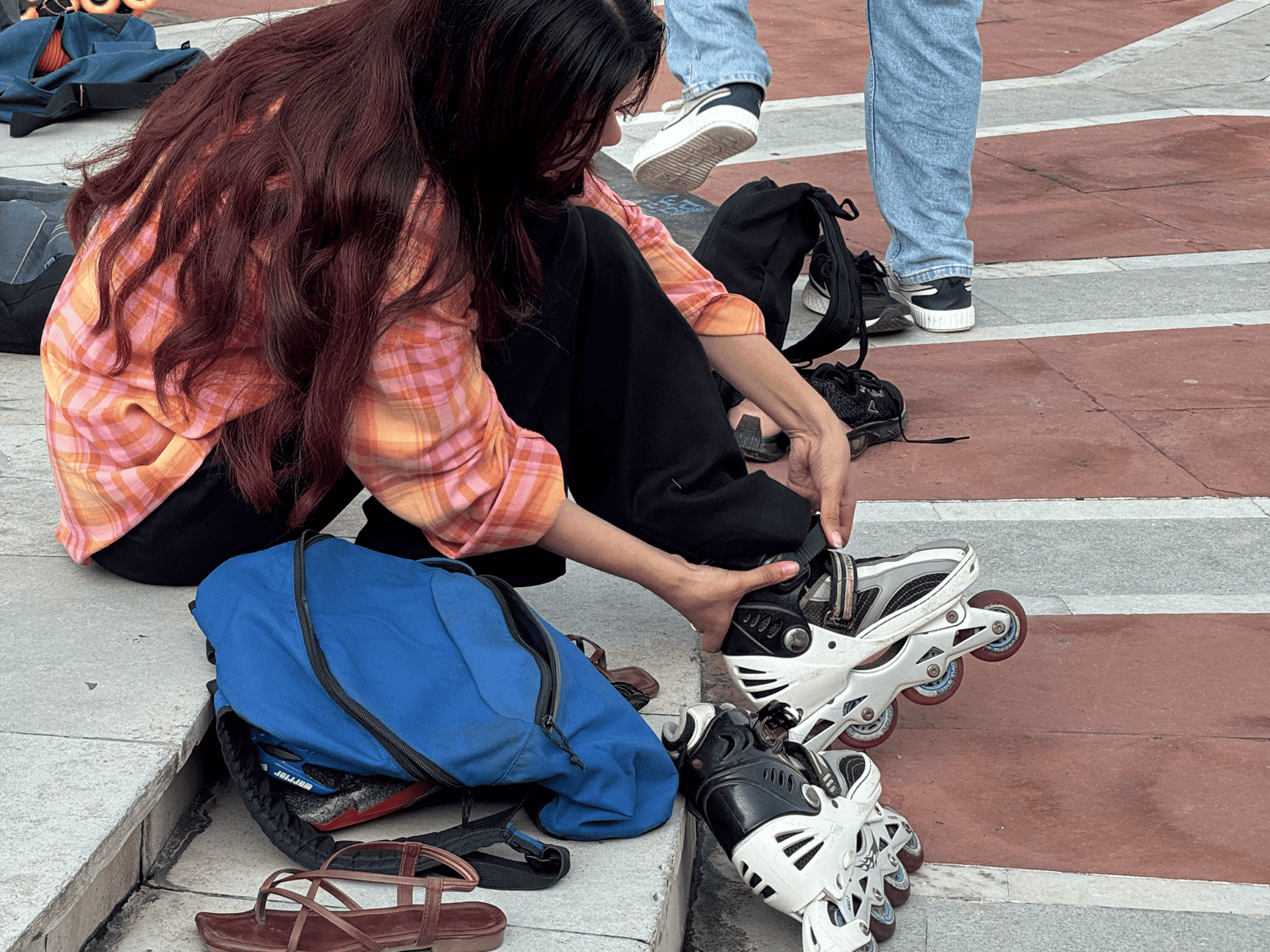
One story perfectly captures how perceptions can change. A police officer once stopped a group of skaters while they were practising in public. After learning more about the activity, he encouraged his daughter to join the community. Today, they regularly participate in events together. Moments like these show how quickly curiosity can transform into connection.
More Than Just Tricks
To outsiders, skating may appear to be an individual pursuit. After all, success often depends on personal effort, balance, and determination. But anyone involved in the culture will tell you that progress rarely happens alone.
When someone lands a difficult trick, everyone celebrates. When someone falls, others help them back up. This sense of community extends far beyond skating sessions.
Through the Rolling Hearts Project, members regularly introduce skating to children living in childcare institutions and rain baseras. More than 100 children have already received training through the initiative. The project also received support from the District Magistrate of New Delhi, who sponsored skating equipment worth approximately ₹5 lakh after reviewing a structured proposal.
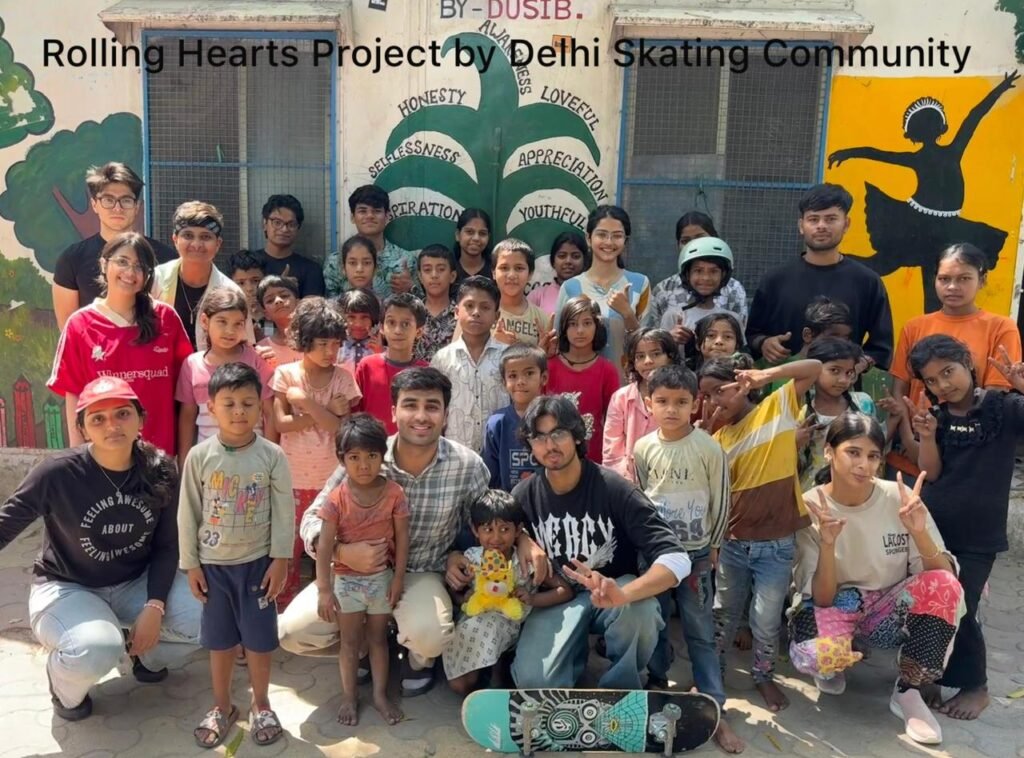
For the founder, these efforts reflect a larger purpose. Building a skating community is not only about personal growth; it is about creating opportunities for others and helping people feel alive.
A Culture Finding Its Momentum
The last few years have marked a turning point for skating in India. The sport’s inclusion in the Olympics brought new visibility. Social media connected skaters across cities, allowing them to share videos, techniques, and inspiration instantly.
Communities are emerging not because of corporate campaigns or government initiatives, but because ordinary people are choosing skating as a lifestyle.
Across the country, aspiring organisers now reach out for advice on building skating communities in their own cities. To many within the movement, that is a sign that something bigger is taking shape.
While skating remains relatively niche compared to mainstream sports, its growth has been steady and organic. More brands, creators, and event organisers are collaborating with skaters. Public awareness is increasing. Dedicated skating spaces continue to provide a foundation for newcomers.
Most importantly, the culture is no longer confined to a handful of enthusiasts.
Rolling Toward The Future
At its heart, skating has never been solely about wheels, boards, or tricks. It is about freedom. It is about seeing the city with fresh eyes. It is about resilience, the willingness to fall repeatedly and keep trying. And perhaps most importantly, it is about community.
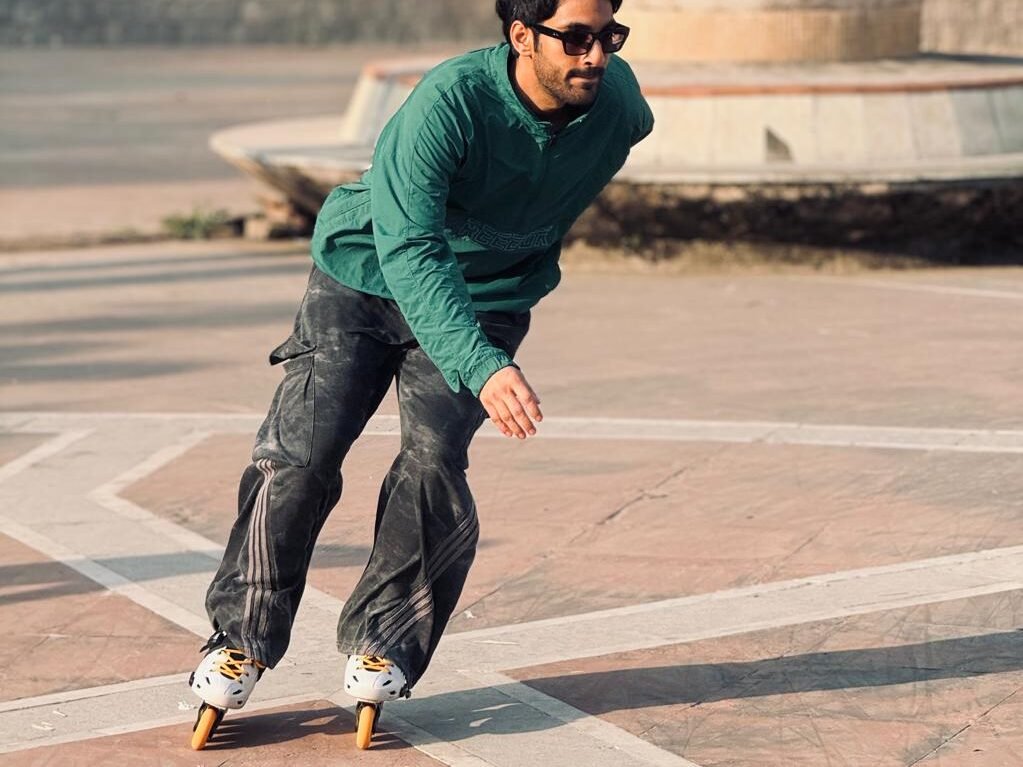
In a city known for its congestion, noise, and relentless pace, skaters have carved out their own rhythm. From underground skateparks in South Delhi to public pathways across the capital, they are building spaces where creativity, friendship, and self-expression can flourish. India’s skating culture may still be young, but it is no longer invisible.
Every meetup, every new skater, every converted parking lot, and every community event adds another chapter to the story. And if the wheels keep rolling, this story is only just beginning.